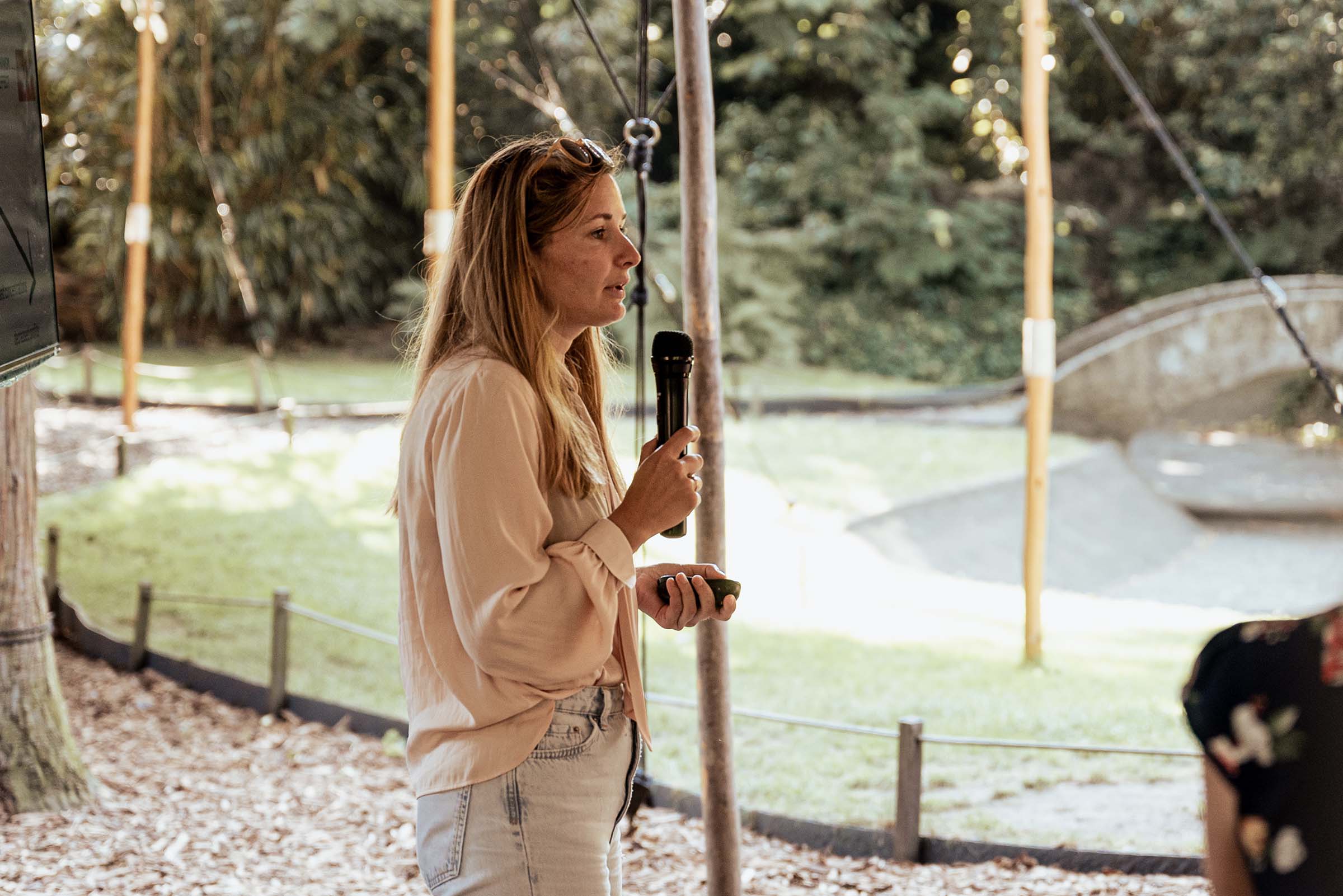

EveryCarbon builds high-performance circular materials
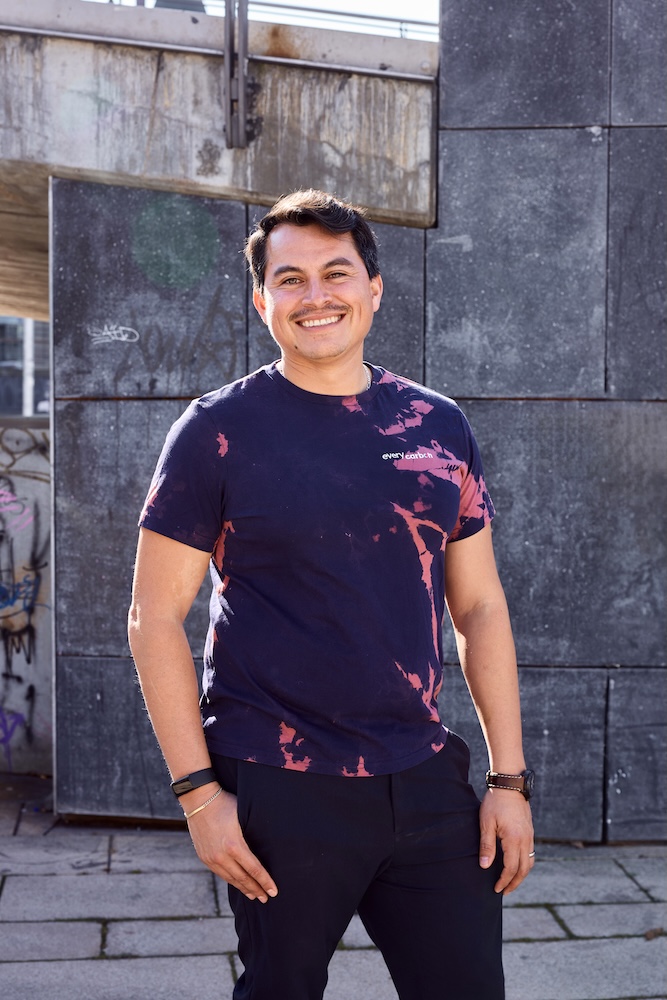
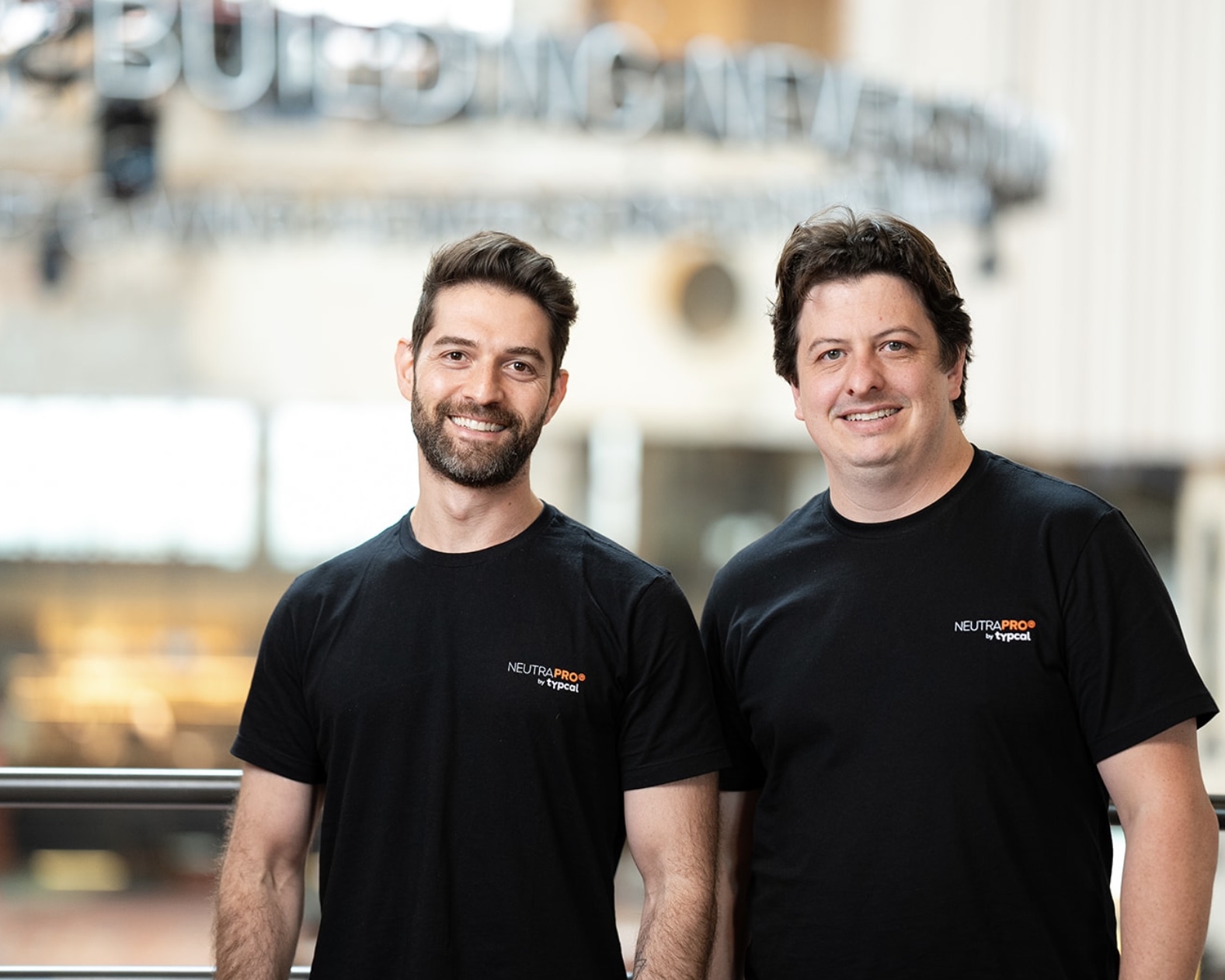
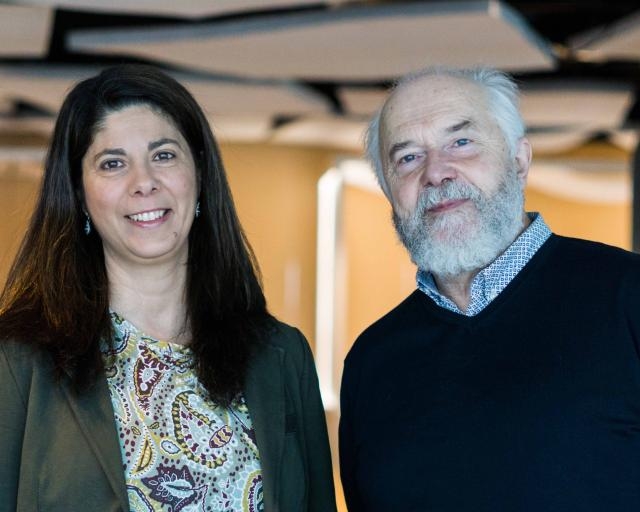
Co-founders Sebastian Beblawy and Apolonio Huerta founded EveryCarbon with the ambition to build materials that compete on performance and price, not just on environmental credentials.
EveryCarbon is building circular materials for applications where performance still largely depends on fossil plastics. They start with an unconventional feedstock: mixed organic waste.
Rather than treating waste valorization as the end goal, the German startup uses biology to convert highly variable residual streams into defined chemical building blocks. These can then be processed into high-performance materials for industries such as construction.
“The problem we set out to solve is not really a waste problem. It is a materials problem.”
Sebastian Beblawy
An idea waiting for the right moment
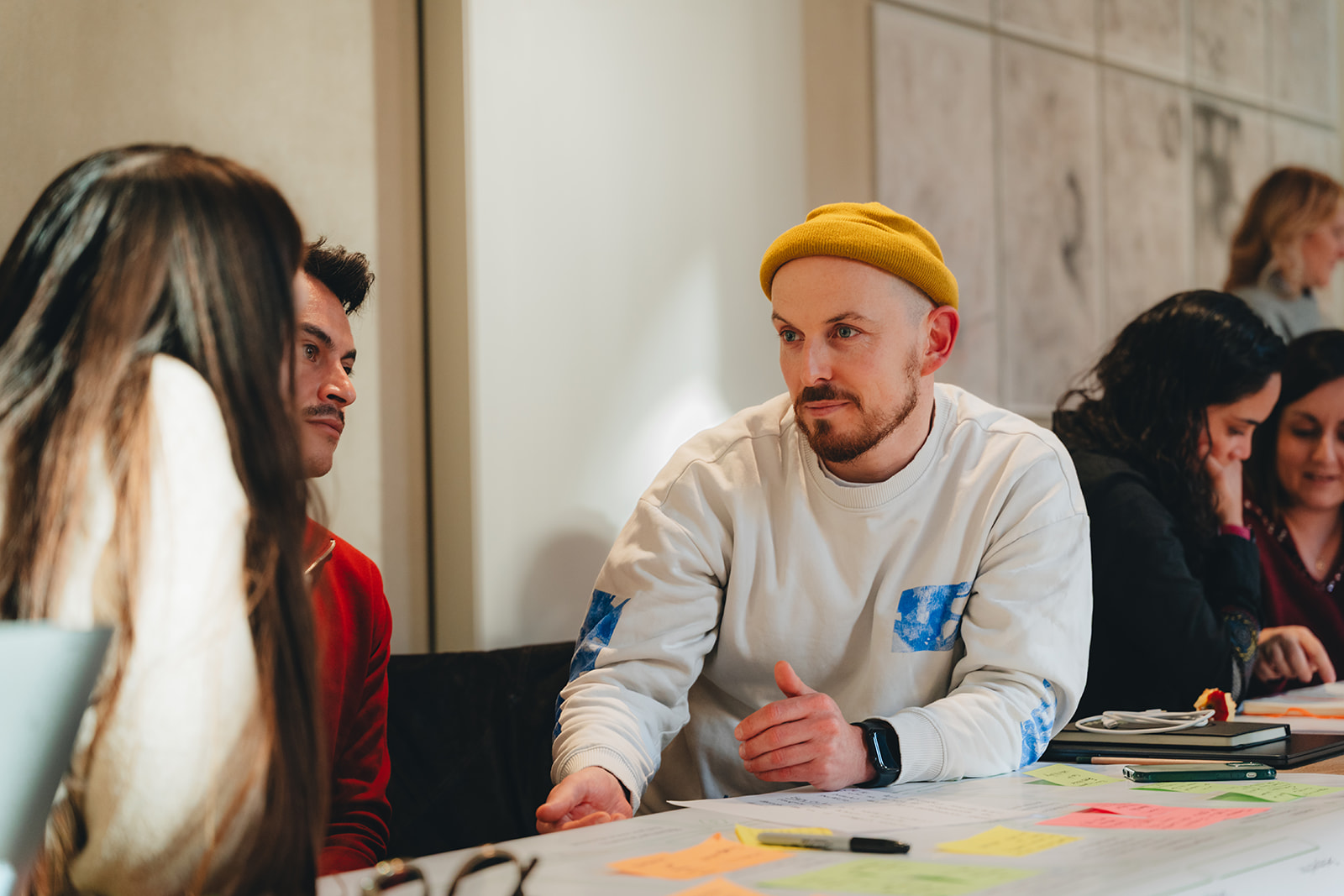
The roots of EveryCarbon go back to when Sebastian Beblawy first encountered the idea of using microorganisms to make chemicals from waste.
“It was a completely different kind of biology from what I had on my radar until then,” he says. “It was concrete and technical, but at the same time, it dealt with very relevant questions around ecology and resilience. It allowed me to combine biology with areas such as thermodynamics, reaction kinetics, and electrochemistry.”
Beblawy abandoned his plans to become a biology and chemistry teacher and went on to do a PhD instead with Johannes Gescher at the Karlsruhe Institute of Technology.
Later, in an advisory position for a state agency in Stuttgart, he worked with established companies looking to adapt to the circular bioeconomy, valorize side streams, and respond to changing regulations. That experience gave Beblawy a close view of what industrial value chains actually require, but also confronted him with the reality that change inside established companies can be slow.
The opportunity to build something himself arrived in 2023, when the German Federal Agency for Breakthrough Innovation, SPRIND, launched its Circular Bio Manufacturing Challenge. “I knew immediately that this was my call,” Beblawy explains. He contacted his former doctoral supervisor to discuss what could be built around the technologies developed in his lab. In one afternoon, the basic concept for EveryCarbon took shape.
Six weeks later, the team defended its proposal and secured a commitment of €1.5 million. “I quit my job right away and went all in.”
Finding the other half of the founding team
Within a year, the concept behind EveryCarbon had been demonstrated at lab scale. Entering the second phase of the SPRIN-D challenge then brought another important step: spinning the technology out into a company. Beblawy knew it was time to bring in someone with more expertise in that area. “I needed someone to take on the commercial side so I could play to my strengths as a scientist.” That person was Apolonio Huerta.
A biotechnologist by training, Huerta had taken a different route toward entrepreneurship. He began his career in a biotech startup in San Diego before moving to Europe for graduate studies and completing a PhD in molecular biology at ETH Zurich.
His early experience in biotech had shown him the value of deep scientific training, but he never saw academia as the end goal. For Huerta, a PhD was a way to build the expertise he would eventually bring back into entrepreneurship. “I knew quite early that I wanted to move toward the application and commercialization of scientific innovation,” he says.
That is why, after his PhD, he first moved into venture capital, where he learned to evaluate business models and understand what drives commercial adoption beyond the underlying technology. But investing still left him one step removed from company building.
“I was supporting and reviewing startups, but I wasn’t actively part of building them. And that was what I really wanted to do,” he says.
A subsequent role with the biotech accelerator 2Blades brought him closer to operations. He worked on IP, licensing, and commercial agreements with companies like Bayer, BASF, and Syngenta, gaining practical experience in moving technologies toward the market. Through that work, he was eventually introduced to the SPRIND team and, in late 2024, to Beblawy.
Their first virtual conversation took place on the same day EveryCarbon was officially registered. Soon afterwards, they met in Zurich.
The planned one-hour conversation lasted three. “Choosing a co-founder feels less like accepting a job and more like entering a long-term relationship,” Huerta says. “You know how much work building a startup takes, so the founding team really needs to be comfortable with one another. There has to be a strong foundation of respect and understanding.”
That foundation was built in no time. Five weeks after their Zurich meeting, Huerta joined EveryCarbon.
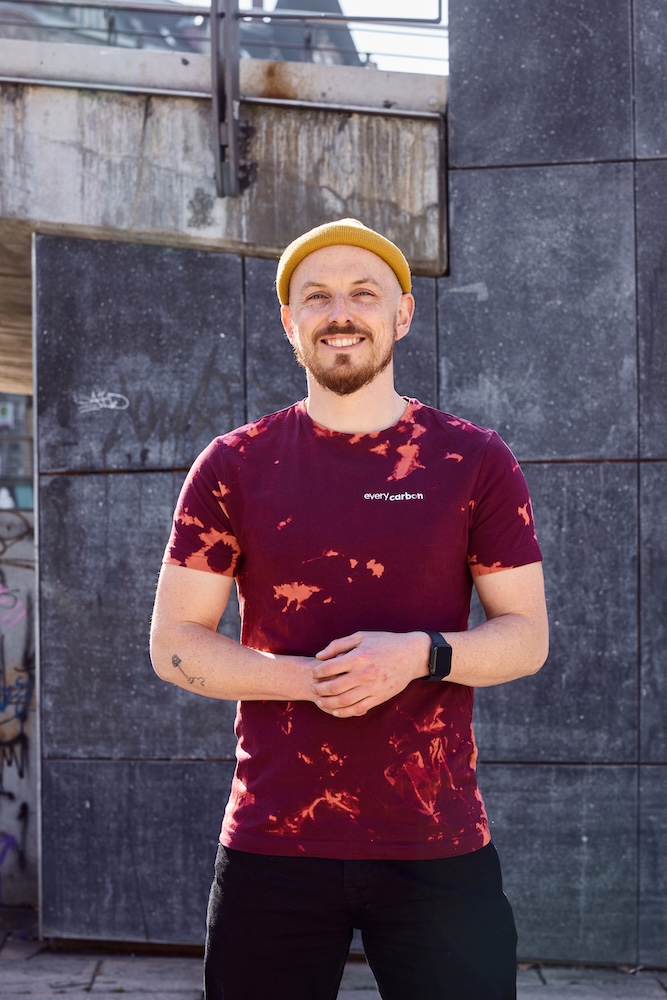
From the outset, the division of responsibilities was clear. Beblawy focuses primarily on technology, science, and overall company direction as CEO, while Huerta leads customers, partnerships, and commercial development as CCO.
They do not agree on everything, and that is part of what makes the partnership work. “We are different people, but we have that foundation of respect,” says Huerta. “And we are very aligned on the North Star for EveryCarbon.”
Waste as the means, not the mission
That North Star is not, Beblawy stresses, simply about finding another to treat waste.
“The problem we set out to solve is not really a waste problem. It is a materials problem.”
Industries still rely heavily on fossil-based materials because they perform and are cost-effective. In demanding applications, many lower-carbon alternatives still struggle to match that performance without introducing a substantial price premium.
Construction is a good example. Insulation materials may need to withstand moisture, heat, and mechanical pressure for decades. In these environments, established fossil plastics remain difficult to replace. EveryCarbon wants to close that gap with high-performance circular polymers.
“What the market actually needs is materials that perform like fossil plastics but are made from feedstocks that are local, abundant, geopolitically independent, and cheap,” says Beblawy. “This is the role that waste fulfills in our process.”
“Waste is not our mission; it is our means. Organic residual streams are available in large volumes and at very low cost. But they come with a fundamental challenge: variability.”
Waste management is built to handle fluctuating inputs. Chemical manufacturing is the opposite. It depends on tightly controlled processes and well-defined outputs. EveryCarbon’s technology is designed to connect the two.
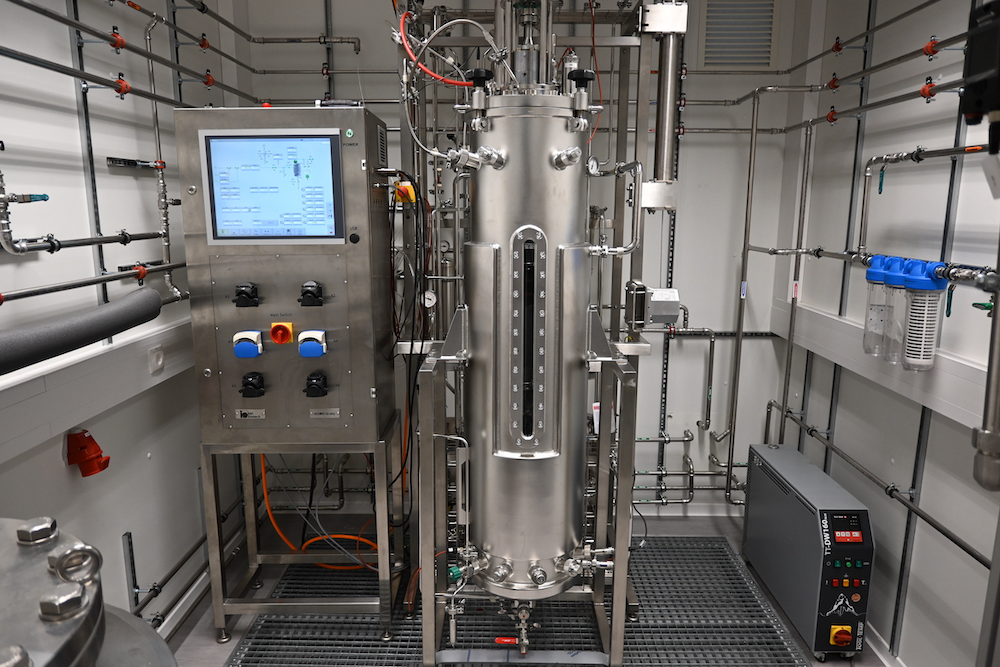
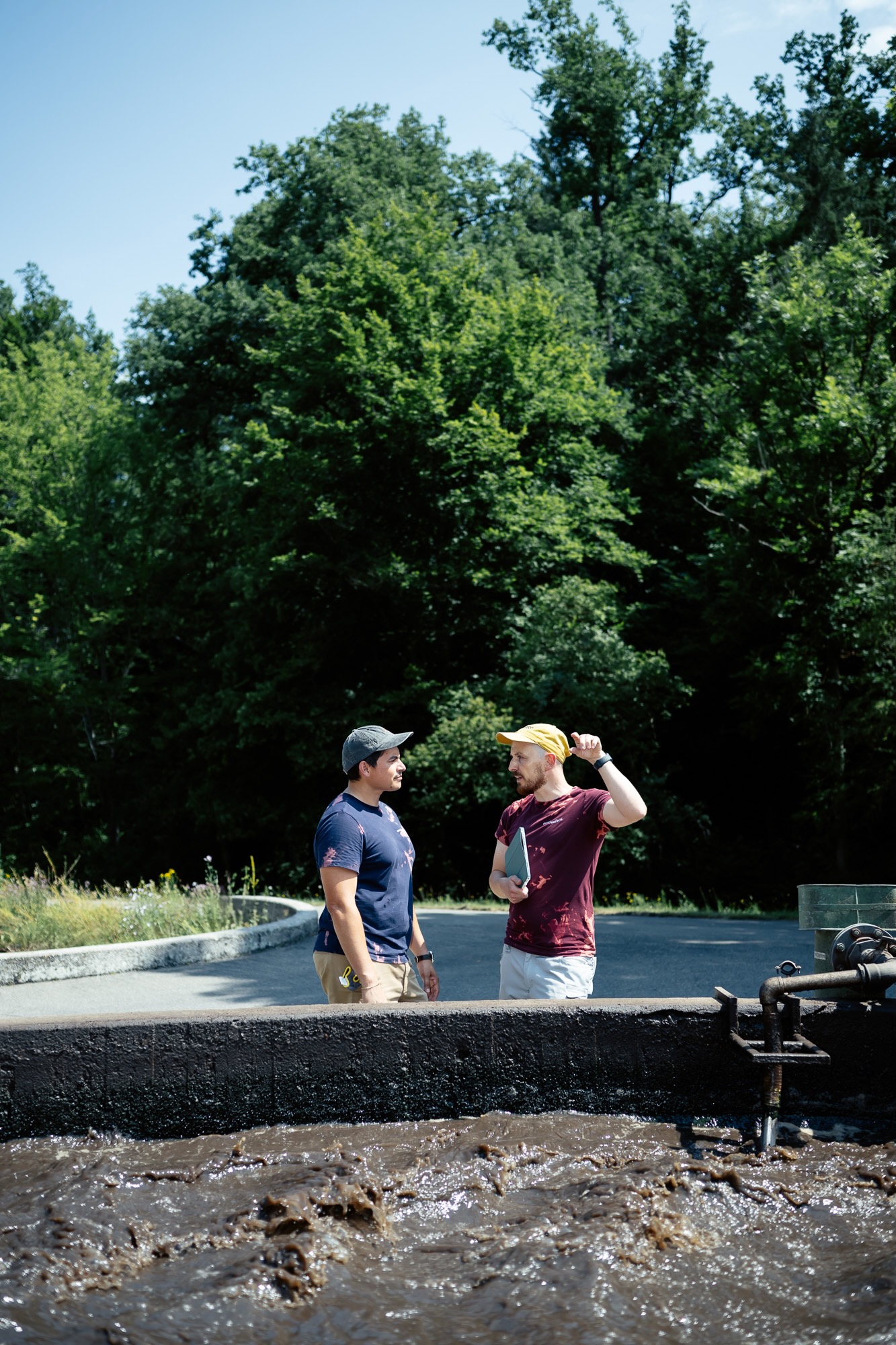
The process begins by partially homogenizing the waste stream so that a microorganism can consume much of the diverse carbon mixture. The biological process converts that complexity into a single defined intermediate, which is then purified and processed through conventional chemical engineering into a bio-based polyester.
Beblawy sees the combination of those steps as the core innovation. “Biological systems are extraordinarily good at reducing complexity and creating ordered structures. That is enormously difficult for chemical processes.”
Competing where performance matters
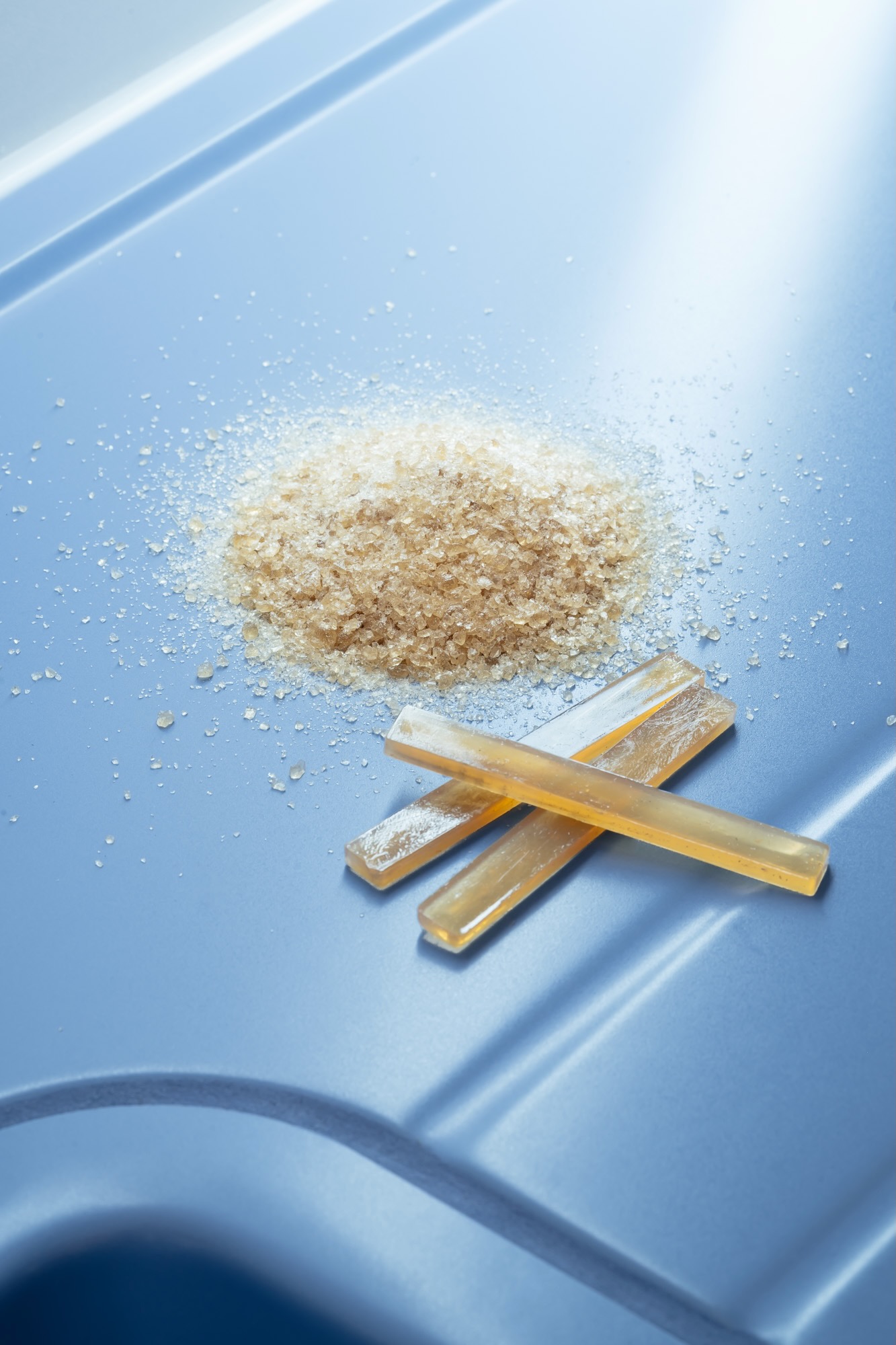
EveryCarbon’s first product is ECOne™, a polyester designed for engineering applications where heat, moisture, mechanical stress, and durability make material performance critical.
At the heart of ECOne™ is a circular diol and chemical building block that exists in several naturally occurring forms, called stereoisomers. By controlling which forms are produced, and in what ratios, EveryCarbon can tune the mechanical and thermal properties of the resulting material in ways that are difficult to achieve economically through conventional chemical catalysis.
EveryCarbon plans to distribute the material as a formulated granulate to material converters in the construction sector, who can incorporate it into existing manufacturing lines for products such as insulation foams, adhesives, and extruded or injection-molded components. The first target application is high-performance thermal insulation for environments where moisture and mechanical pressure are major stress factors. This market is currently dominated by fossil-based extruded polystyrene, leaving room for alternatives that can match or improve on performance while reducing reliance on fossil feedstocks.
The economics, explains Beblawy, begin with the feedstock. The organic residues used by EveryCarbon can be up to 60 times cheaper than conventional feedstocks used in biomanufacturing. The founders believe that this advantage will help them reach cost parity with fossil alternatives rather than relying on customers to pay a green premium.
“We think of ourselves as an industrial materials company rather than a green startup,” says Beblawy, “with biology as our route to higher-performing plastics.”
“Applications as insulation foam, adhesives, and injection-molded components each place different demands on the polymer, and every successful formulation can open a new market segment.”
Apolonio Huerta
From platform to product at biotope basecamp
EveryCarbon came to biotope with a strong scientific foundation and support already in place. As finalists in the competitive SPRIN-D Circular Biomanufacturing Challenge, the team had already made significant progress in developing and validating its production platform. What they found at biotope was a different lens, and an international network deeply rooted in biotechnology and biomanufacturing.
“A lot of our previous mentoring had focused on developing technology that was innovative and could challenge how biomanufacturing is done today,” says Huerta. “The biotope team challenged us with the question of how this becomes a business. The technology needs to be there, of course, but how will it make money, grow, and actually change an industry?”
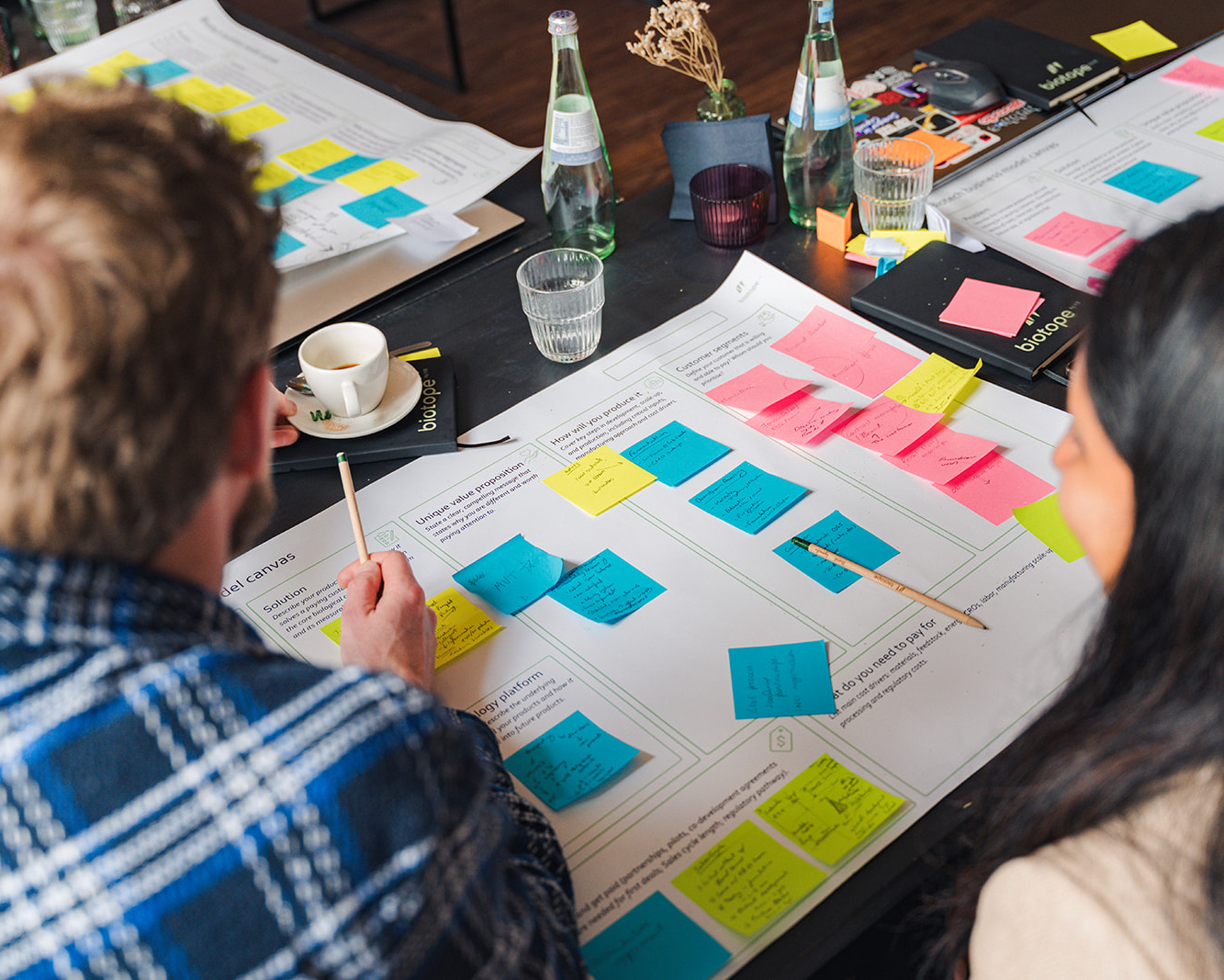
During basecamp, EveryCarbon sharpened its product focus, defined its first market more clearly, and worked through what actually differentiated the technology from a customer’s perspective.
“The core was translating a technology platform into something that speaks to a specific market segment with arguments that are relevant to that segment,” says Beblawy. “That sounds simple. It isn’t.”
By the time the team had worked through that process, they were able to support their positioning with clearer evidence from the market: customer demand, possible pricing, and a more precise understanding of how ECOne™ differs from competing materials. That sharper commercial case ultimately convinced biotope’s investment committee.
From material to commercial validation
The next challenge is to move ECOne™ from a promising material into something that performs in a customer’s production environment.
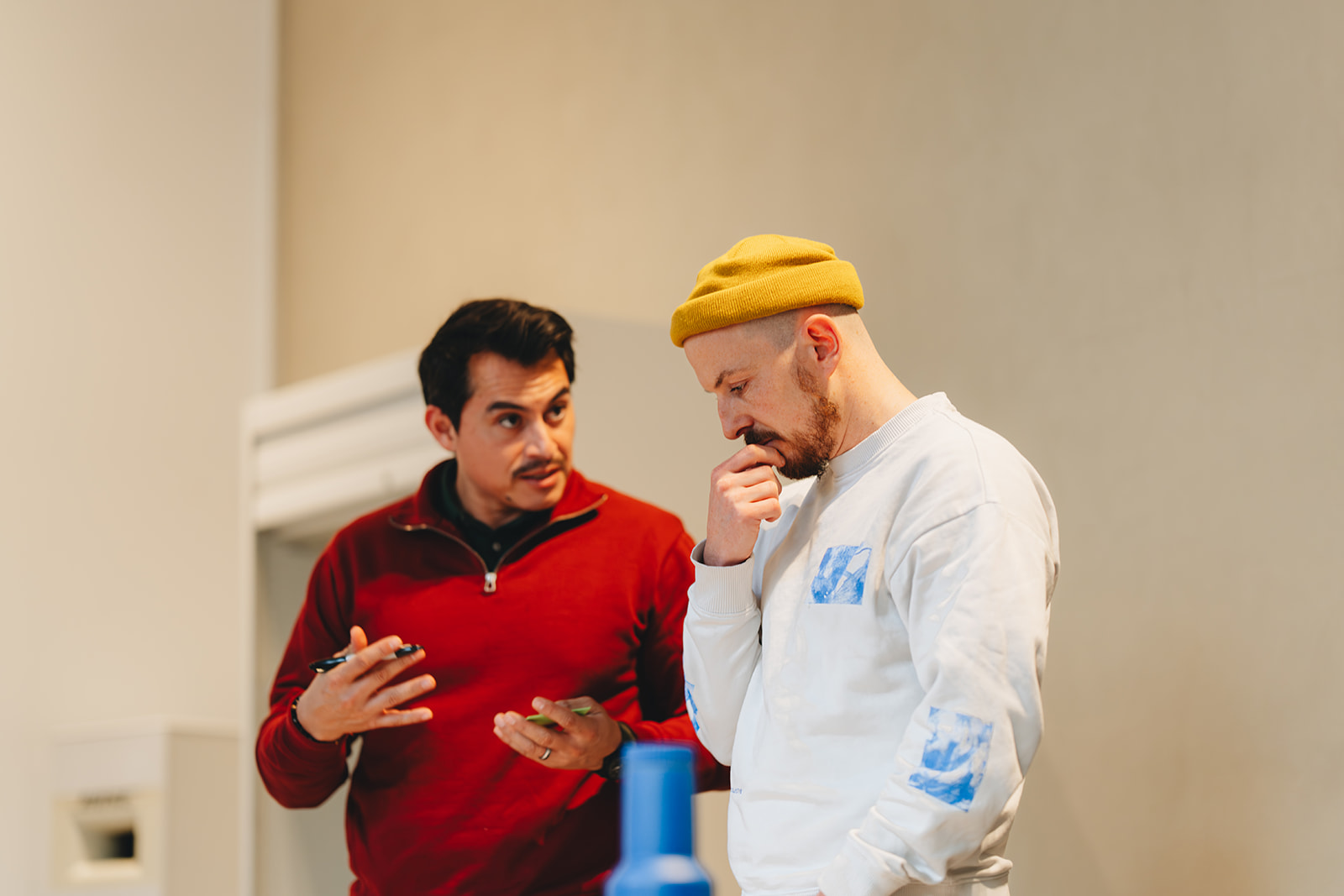
“With biotope, we really want to achieve early commercial validation,” says Huerta. “That means producing prototype applications, from insulation panels to injection-molded components, and developing them together with potential customers.”
Their goal is to progress from prototypes to scale-up, joint development agreements, and ultimately, commercial offtake.
EveryCarbon also intends to develop several formulations rather than a single material grade, Huerta adds. “Applications as insulation foam, adhesives, and injection-molded components each place different demands on the polymer, and every successful formulation can open a new market segment.”
Here, the founders see particular value in the biotope network, which gives them access to people who have already taken biomanufactured products and materials into commercial production. “That kind of pattern recognition is hard to buy and very easy to underestimate,” says Beblawy.
At the same time, the company wants to secure the other end of its value chain through partnerships with waste operators.
The longer-term ambition goes well beyond one polymer. Huerta and Beblawy see EveryCarbon as a way to reimagine where the chemical building blocks underlying everyday products come from.
“What excites us is seeing molecules that have traditionally been reserved for niche applications, because they were too costly and complex to produce at scale, come back as part of the future of materials. Scalable biomanufacturing technologies like ours can make that possible.”
More News






Have you got what it takes?
- Pressure-test your biotech with expert feedback
- Align your team and sharpen your strategy
- Turn your startup into an investment-ready business